

Influencer marketing partners brands with social media personalities who have engaged followings to promote products, services, or messages to relevant audiences. Rather than marketing directly to consumers, influencer marketing leverages the trust and relationships influencers have built with their communities, making recommendations feel authentic rather than commercial.
Influencer marketing has matured from celebrity endorsements and sponsored posts into sophisticated partnerships delivering measurable business results. Early marketing often involved simply paying personalities for posts. Modern influencer marketing emphasizes authentic alignment, creative collaboration, and performance tracking.
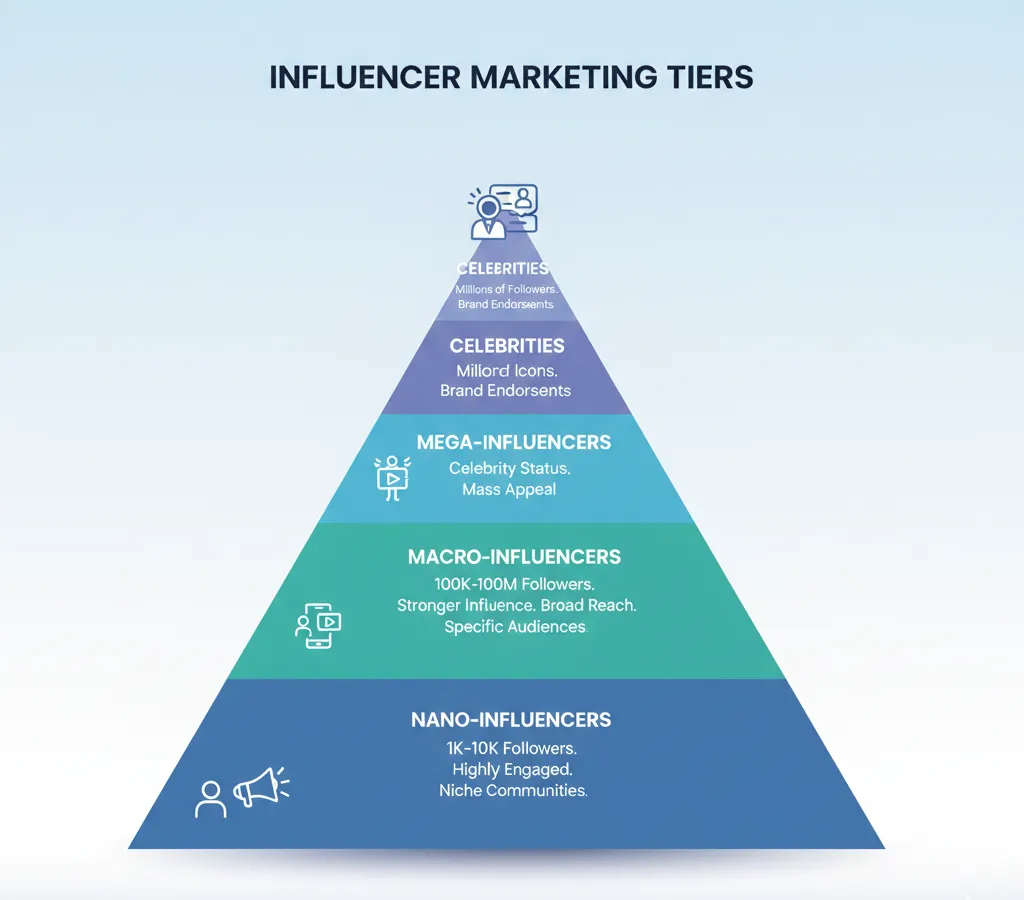
Mega-influencers have 1+ million followers and offer massive reach for marketing. These celebrities and social stars command premium rates but deliver broad awareness. Mega- marketing works for major brand campaigns with substantial budgets.
Macro-influencers have 100,000 to 1 million followers, providing significant reach while maintaining more affordable rates than mega-influencers. Macro-influencer balances reach and engagement for mid-sized campaigns.
Micro-influencers have 10,000 to 100,000 followers and often deliver the best marketing ROI. Their smaller, highly engaged communities trust their recommendations. Micro-influencer excels for niche targeting and authentic advocacy.
Nano-influencers have under 10,000 followers but exceptional engagement rates. Nano-influencer marketing leverages everyday consumers who have influence within specific communities. These partnerships feel most authentic because nano-influencers genuinely love brands they promote.

Setting clear objectives focuses influencer marketing efforts. Common goals include building brand awareness, launching new products, driving website traffic and sales, generating content, improving brand perception, and reaching new audiences. Different objectives require different influencer types and campaign structures.
Defining target audiences ensures influencer marketing reaches the right people. Who are you trying to influence? What are their interests, demographics, and behaviors? The best influencers have audiences matching your ideal customer profile.
Relevance matters more than reach in influencer marketing. An influencer with 10,000 highly relevant followers delivers better results than one with 100,000 irrelevant followers. Evaluate marketing partners based on audience alignment, content quality and style, engagement rates versus follower counts, brand alignment and values, authenticity and credibility, and professional reliability.
Influencer discovery platforms like AspireIQ, Upfluence, Creator.co, and Grin help identify and manage influencer partnerships. These tools provide audience analytics, performance data, and campaign management capabilities.

Compensation models in influencer marketing vary. Pay-per-post provides simplicity with fixed fees for specific deliverables. Performance-based models tie payment to results like clicks, conversions, or sales. Product gifting works for lower-tier influencers or soft launches. Affiliate partnerships align influencer incentives with sales through commission structures.
Most effective influencer marketing combines upfront payment with performance bonuses. This structure ensures commitment while rewarding exceptional results.
Clear briefs guide influencer marketing while allowing creative freedom. Provide campaign objectives, key messages and talking points, required elements and hashtags, posting schedule and deadlines, approval processes, and usage rights. However, avoid overly prescriptive requirements that stifle authentic influencer voices.
The best influencer marketing trusts creators to know their audiences. Influencers understand what content resonates with their communities better than brands do. Provide guidelines but allow creative interpretation.
Instagram marketing leverages the platform’s visual nature through feed posts, Stories, Reels, and IGTV. Instagram’s shopping features enable seamless commerce within influencer marketing content.
TikTok influencer harnesses viral potential and authentic creativity. TikTok’s algorithm surfaces content to relevant audiences regardless of follower counts, making even small influencers potentially impactful.
YouTube marketing provides long-form content that educates and builds deep connections. YouTube’s search functionality makes influencer marketing content discoverable long after posting.
LinkedIn marketing reaches professional audiences and decision-makers. B2B influencer marketing thrives on LinkedIn through thought leadership content and industry expertise.
FTC guidelines require clear disclosure in marketing. Influencers must conspicuously identify sponsored content using #ad, #sponsored, or similar clear language. Compliance protects both brands and influencers from regulatory issues.
Platform-specific disclosure tools like Instagram’s “Paid Partnership” tag provide built-in marketing transparency. Use these tools in addition to hashtags for maximum clarity.
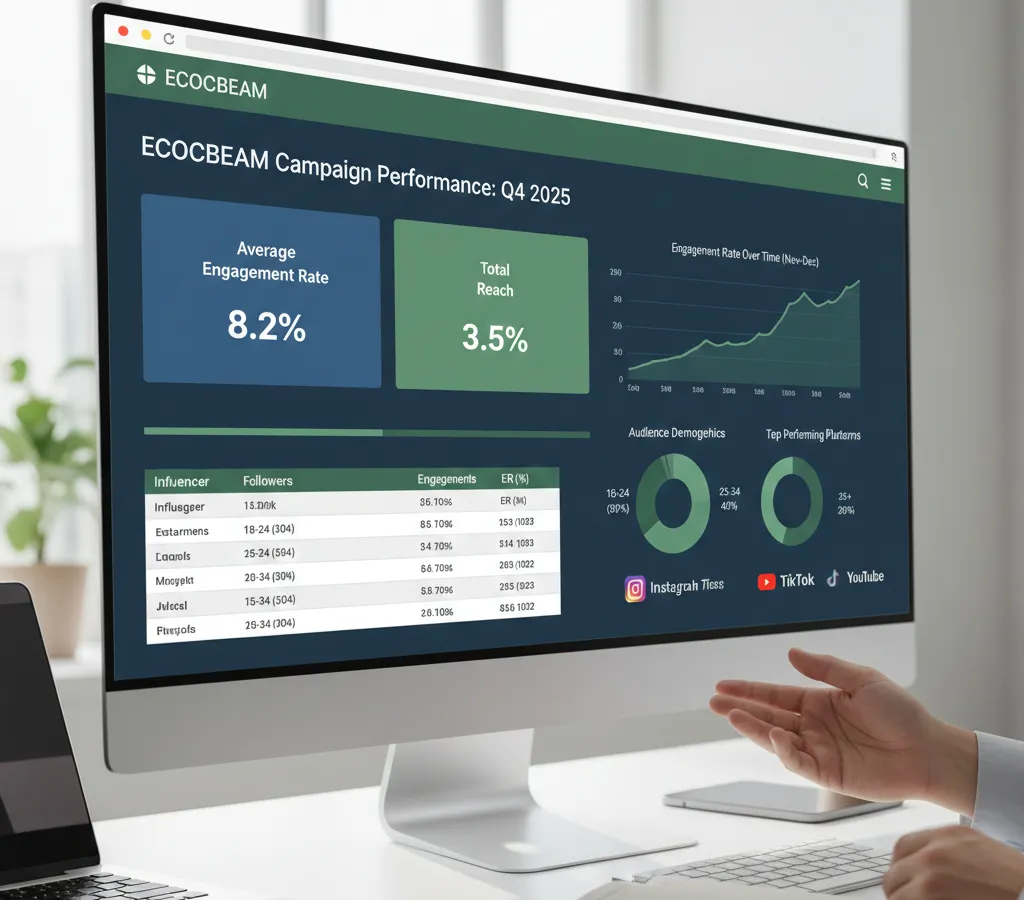
ROI calculation compares influencer marketing investment against returns. Track all costs including influencer fees, product costs, management time, and platform fees. Compare against generated revenue, leads, or awareness metrics valued using standard costs.
Many brands find marketing delivers superior ROI compared to traditional advertising because of trust, targeting, and authentic messaging. However, ROI varies based on campaign goals, influencer selection, and execution quality.

Authenticity increasingly determines influencer marketing success. Audiences favor genuine recommendations over obvious ads. Influencer marketing that feels forced or inauthentic underperforms.
Long-term partnerships replace one-off sponsorships. Brands realize that ongoing marketing builds stronger associations and delivers better ROI than scattered campaigns.
Video continues dominating marketing across TikTok, Instagram Reels, and YouTube. Short and long-form video both perform exceptionally in marketing campaigns.
Micro and nano-influencers gain favor as brands discover these smaller creators often deliver better engagement and ROI than mega-influencers. Influencer budgets increasingly spread across multiple micro-influencers rather than concentrating on few large names.
Performance-based compensation aligns incentives in influencer marketing. More partnerships include affiliate structures or performance bonuses rewarding results beyond just posting.
Start small with pilot influencer marketing campaigns testing different influencer tiers, content types, and platforms. Learn what resonates before scaling investment.
Document processes and standards for consistent marketing. Guidelines for discovery, vetting, negotiation, content approval, and measurement ensure quality control as programs grow.
Relationship management systems track influencer marketing partnerships, performance history, and communications. As programs scale, organization becomes essential.
Influencer provides authentic connections with target audiences through trusted voices. When executed strategically with relevant partners, clear objectives, and proper measurement, influencer marketing delivers exceptional brand awareness, engagement, and business results.
Success requires moving beyond transactional one-off sponsorships toward genuine partnerships built on shared values and mutual benefit. The brands winning at influencer marketing treat influencers as collaborative partners, allow creative freedom, and focus on long-term relationship building.
Mind Frame Global develops comprehensive marketing strategies including influencer discovery, partnership management, campaign execution, and performance measurement. We help brands build authentic influencer relationships that drive measurable business results.