

In today’s hyperconnected world, a robust marketing strategy is no longer optional—it’s essential for business survival and growth. As we navigate through 2026, businesses face unprecedented opportunities and challenges in the digital landscape. This comprehensive guide will walk you through creating a digital marketing strategy that delivers measurable results and positions your brand for long-term success.
A digital marketing strategy is a comprehensive plan that outlines how your business will achieve its marketing goals through online channels. Unlike traditional marketing, digital marketing leverages the power of data, automation, and targeted messaging to reach the right audience at the right time with the right message.
The foundation of any successful marketing strategy begins with understanding your business objectives. Whether you’re looking to increase brand awareness, generate leads, drive sales, or improve customer retention, your strategy must align with these overarching goals. This alignment ensures that every marketing dollar spent contributes directly to business growth.
Market Research and Audience Analysis form the cornerstone of your digital strategy. Understanding who your customers are, where they spend their time online, what problems they face, and how they make purchasing decisions allows you to craft messages that resonate. Modern marketing requires deep audience segmentation based on demographics, psychographics, behavior patterns, and purchase intent.
Competitive analysis provides crucial insights into what’s working in your industry. By studying your competitors’ marketing strategy, you can identify gaps in the market, understand industry benchmarks, and discover opportunities for differentiation. This doesn’t mean copying what others do—it means learning from the landscape and carving your unique position.
Setting SMART goals transforms vague aspirations into actionable targets. Your strategy should include specific, measurable, achievable, relevant, and time-bound objectives. Instead of “increase website traffic,” aim for “increase organic website traffic by 40% within six months through content marketing and SEO optimization.”
Channel selection is critical to marketing strategy success. Not every platform suits every business. B2B companies might prioritize LinkedIn and email marketing, while B2C brands could focus on Instagram and TikTok. Your digital marketing strategy should concentrate resources on channels where your audience actively engages rather than spreading efforts thin across every available platform.
Content serves as the fuel for your digital marketing. High-quality, valuable content attracts, engages, and converts your target audience. Your content strategy should include blog posts, videos, infographics, podcasts, case studies, whitepapers, and social media content—all aligned with your audience’s preferences and journey stage.
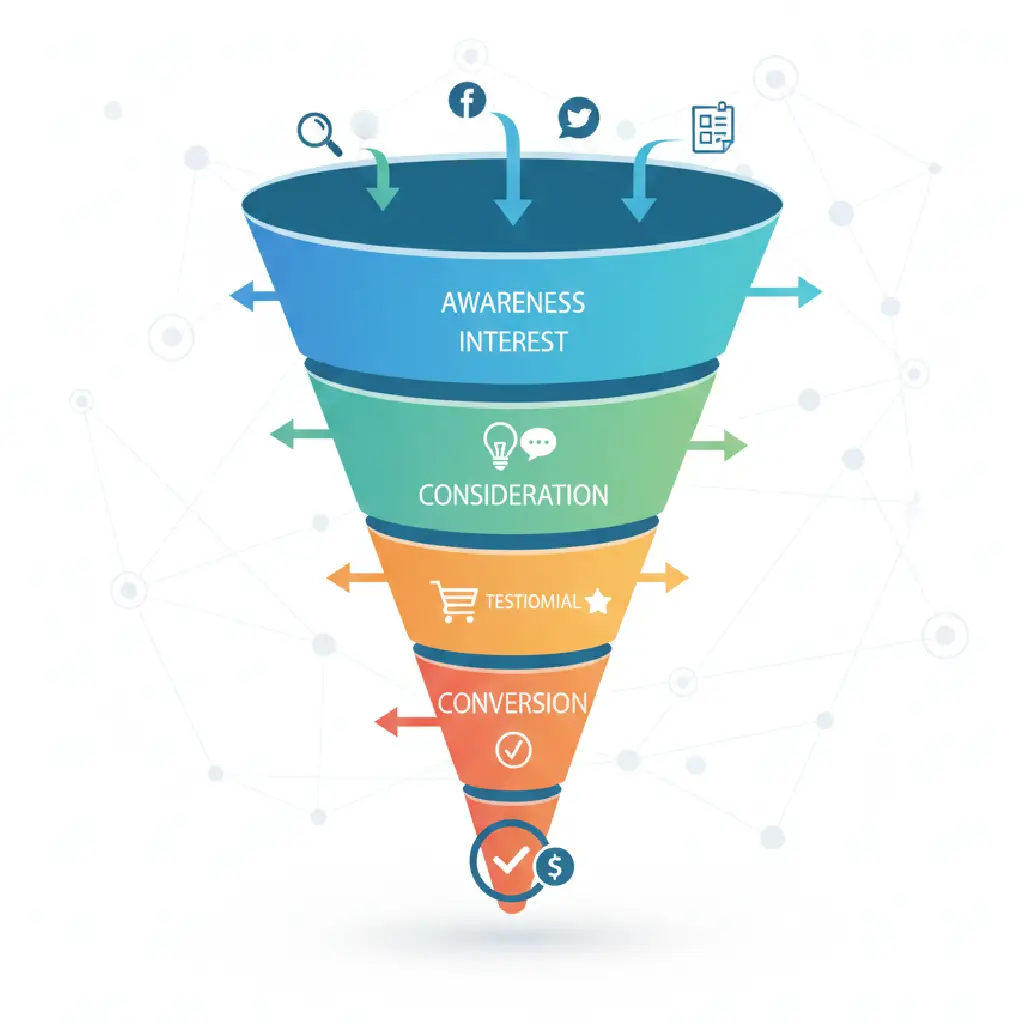
The buyer’s journey maps how prospects move from awareness to consideration to decision. Your strategy must provide appropriate content for each stage. Awareness-stage content educates about problems, consideration-stage content explores solutions, and decision-stage content demonstrates why your offering is the best choice.
Marketing automation platforms streamline your digital marketing strategy execution. Tools like HubSpot, Marketo, or Mailchimp enable personalized communication at scale, lead nurturing sequences, and behavioral triggers that move prospects through your funnel automatically.
Analytics and reporting tools measure your digital marketing strategy performance. Google Analytics, social media analytics, CRM data, and marketing attribution platforms provide insights into what’s working and what needs adjustment. Data-driven decision-making separates successful strategies from those that waste resources.
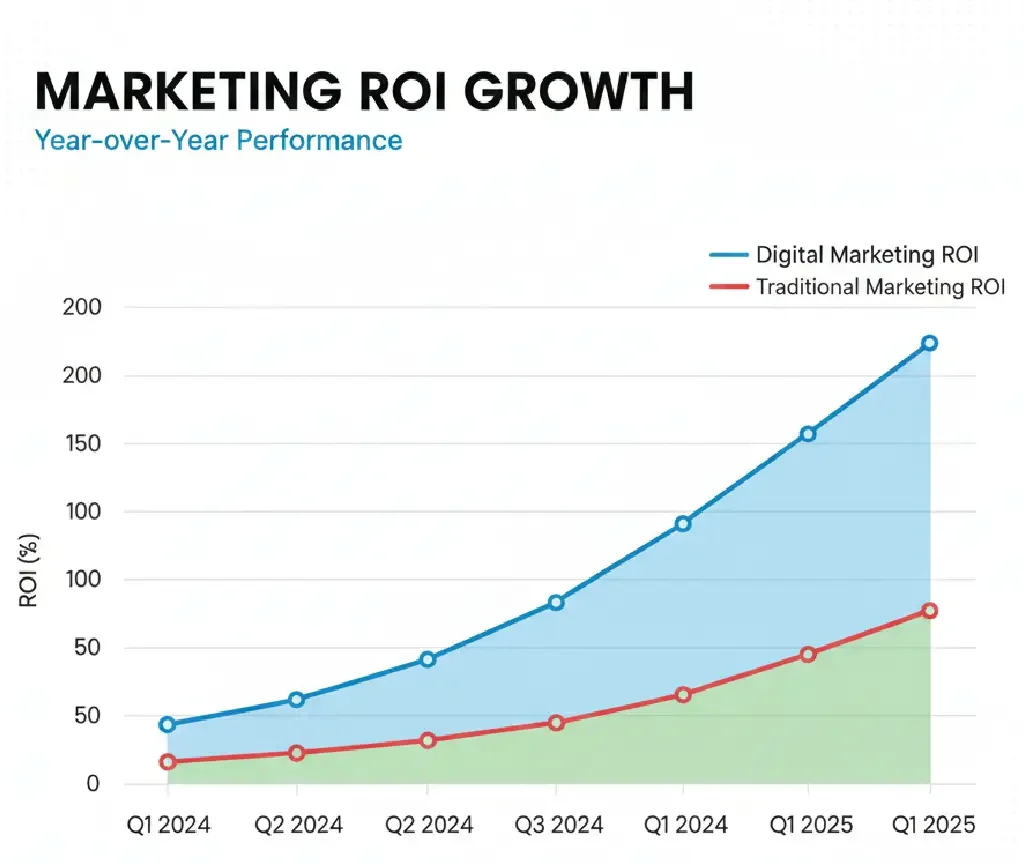
Search engine optimization ensures your content reaches people actively searching for solutions you provide. Your marketing strategy must incorporate keyword research, on-page optimization, technical SEO, and link building. Organic search often delivers the highest ROI of any digital channel.
Local SEO particularly benefits businesses serving specific geographic areas. Optimizing Google Business Profile, building local citations, and gathering customer reviews strengthens your digital marketing strategy for local market domination.
While organic efforts build long-term value, paid advertising accelerates results. Your digital marketing strategy should balance both approaches. Pay-per-click advertising, social media ads, display advertising, and retargeting campaigns generate immediate visibility and traffic.
Budget allocation across paid channels requires careful consideration. Start with small test budgets, measure performance, and scale what works. Your digital marketing strategy should include clear ROI targets for paid campaigns and regular optimization based on performance data.
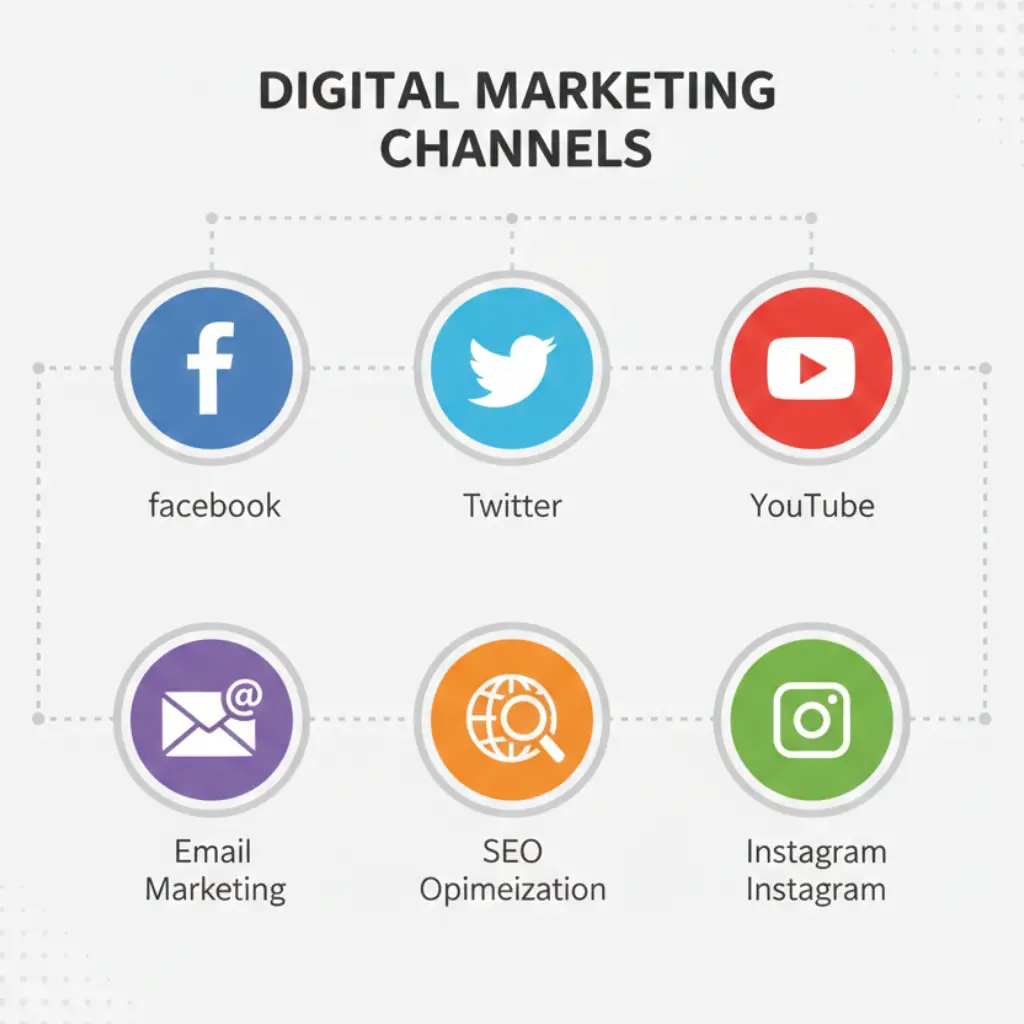
Social media amplifies your digital marketing strategy by building community, increasing brand awareness, and driving engagement. Each platform serves different purposes—LinkedIn for B2B thought leadership, Instagram for visual storytelling, Twitter for real-time engagement, and Facebook for community building.
Consistency in voice, messaging, and posting schedule strengthens your digital marketing strategy across social channels. Social listening tools help you understand audience sentiment, identify trending topics, and engage in meaningful conversations.

Despite being one of the oldest digital channels, email marketing remains highly effective. Your digital marketing strategy should leverage email for lead nurturing, customer retention, product launches, and relationship building. Segmentation and personalization dramatically improve email performance.
Key performance indicators (KPIs) tell you whether your digital marketing strategy works. Common KPIs include website traffic, conversion rates, cost per acquisition, customer lifetime value, engagement rates, and return on ad spend. Choose metrics that align with your business objectives.
Regular audits ensure your digital marketing strategy stays effective. Monthly reviews identify underperforming areas, quarterly assessments evaluate overall direction, and annual strategic planning incorporates market changes and new opportunities.
A/B testing continuously improves your digital marketing strategy. Test headlines, calls-to-action, email subject lines, ad creative, landing page designs, and offer positioning. Small improvements compound into significant performance gains over time.
Staying ahead requires monitoring emerging trends. Artificial intelligence, voice search, augmented reality, privacy-first marketing, and video content continue reshaping the digital landscape. Your digital marketing strategy should remain flexible enough to adopt beneficial innovations.
Building a learning culture within your organization ensures your digital marketing strategy evolves. Invest in training, attend industry conferences, follow thought leaders, and encourage experimentation. The digital marketing landscape changes rapidly—continuous learning is essential.
Creating and executing an effective digital marketing strategy requires strategic thinking, audience understanding, channel expertise, quality content, appropriate technology, and consistent measurement. While the components may seem overwhelming, starting with clear goals and building incrementally creates momentum.
Mind Frame Global specializes in developing customized digital marketing strategies that drive real business results. Whether you’re just beginning your digital journey or looking to optimize existing efforts, a well-crafted digital marketing strategy serves as your roadmap to success in an increasingly digital world.